In industrial boiler systems, small component decisions can have a major impact on long-term performance. The right valve configuration affects everything from steam flow and condensate management to maintenance access and system reliability.
A gooseneck valve is one of those components that often gets overlooked until a system starts experiencing stress, drainage issues, or operational inefficiencies.
Understanding where these valves fit and when they make the most sense can help you build a more reliable and efficient steam system.
In this guide, we’ll break down what a gooseneck valve is, where it’s commonly used, and how it differs from more standard valve configurations in industrial applications.
What Is a Gooseneck Valve?
A gooseneck valve is a valve or piping assembly that incorporates a curved “gooseneck” shape to redirect flow, manage condensate, or accommodate thermal movement within a system.
In industrial boiler environments, these configurations are often associated with steam piping, sootblower systems, and high-temperature applications where pressure and heat create additional operational demands.
The exact design varies by system, but the defining characteristic is the curved routing geometry that helps control the flow of steam, liquids, or condensate through the line.
In many cases, the gooseneck configuration is less about the valve mechanism itself and more about how the assembly functions within the broader piping system. These valves are critical for boiler systems, where steam expansion can place significant stress on standard piping layouts.
Why the Gooseneck Design Matters
The curved design serves a practical operational purpose. Rather than forcing steam or condensate through rigid directional changes, the gooseneck shape allows the system to manage flow more smoothly while reducing strain on connected components.
In industrial steam systems, that can help:
- Redirect flow efficiently
- Reduce stress caused by thermal expansion
- Improve condensate drainage
- Minimize vibration-related wear
- Support more stable steam movement
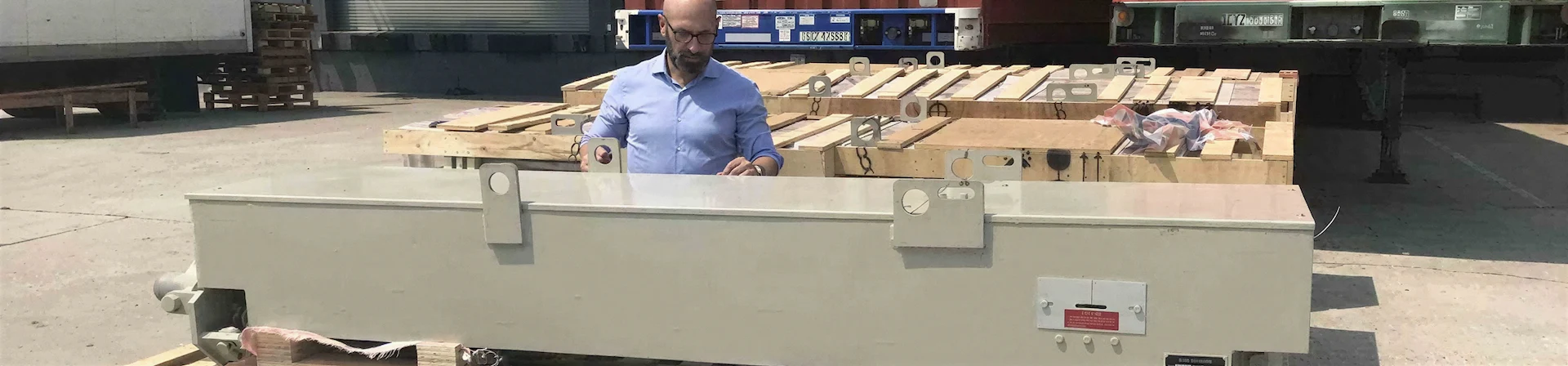
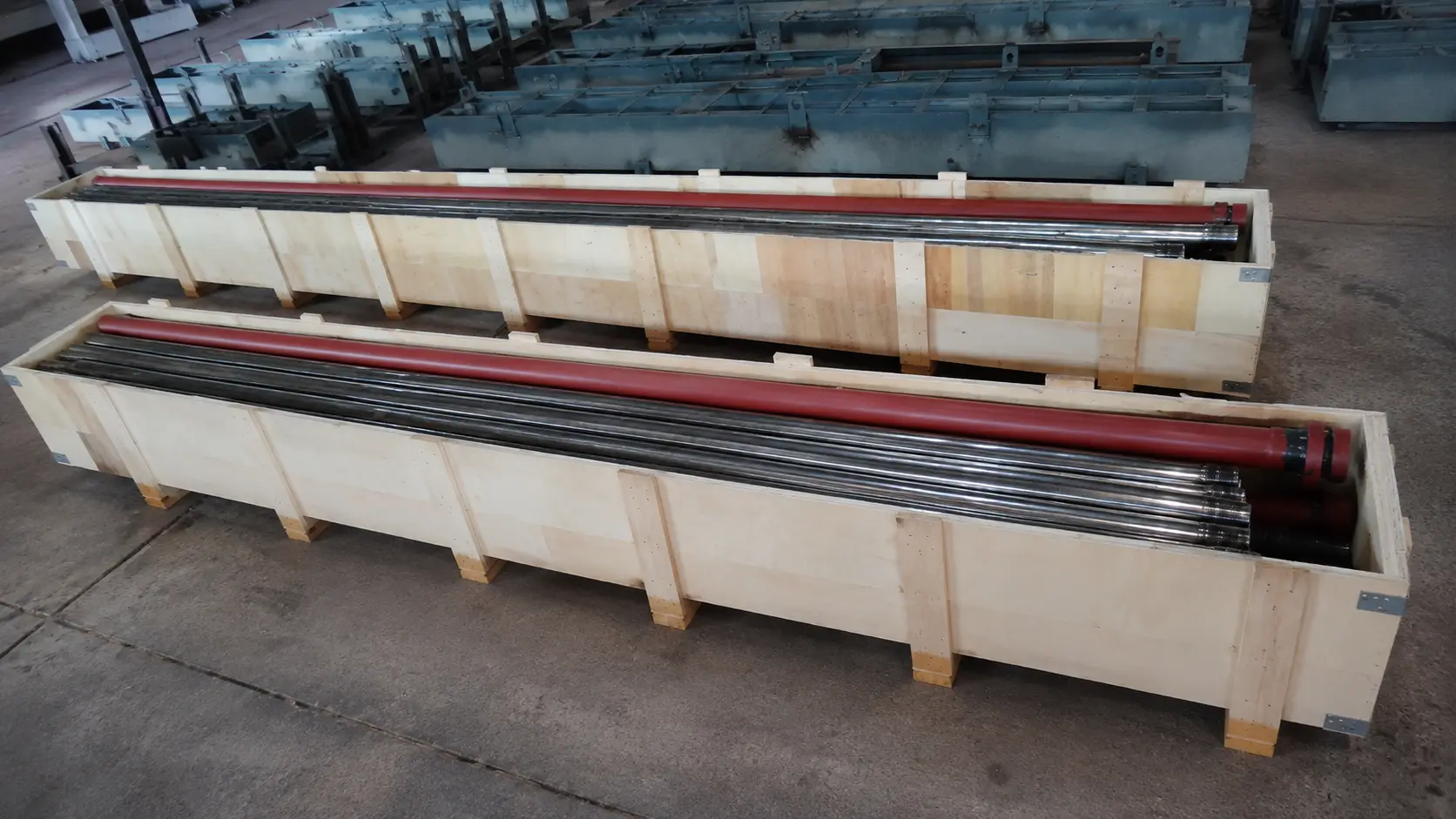
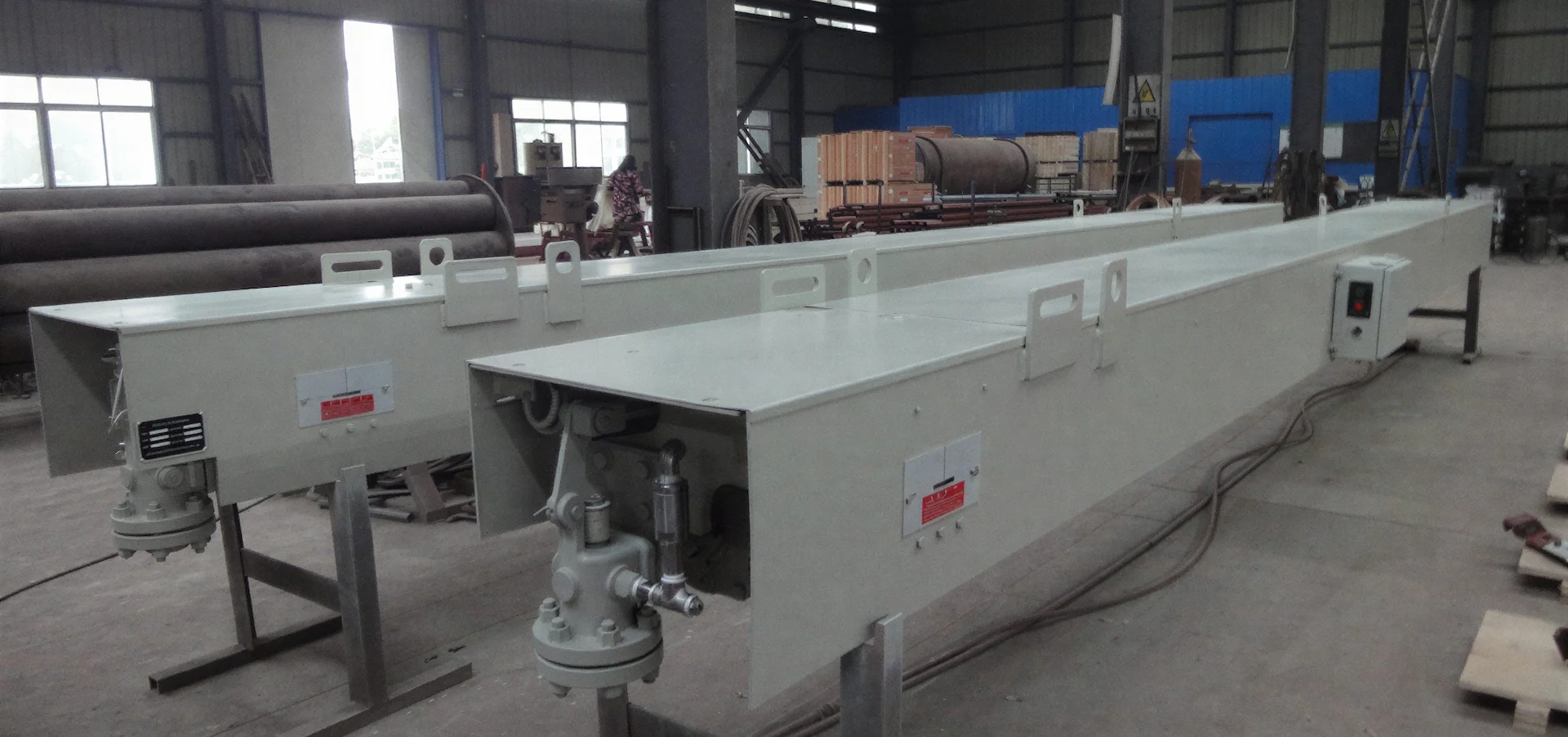
For example, in sootblower applications, gooseneck assemblies are often used to help manage high-pressure steam delivery while protecting surrounding piping from excessive stress during operation. Over time, that can improve reliability and reduce maintenance-related disruptions.
Where Gooseneck Valves Are Commonly Used
Gooseneck valve configurations are usually selected for specific operational conditions rather than general-purpose use. They’re most common in systems where steam movement, condensate handling, or temperature-related expansion create challenges for standard valve layouts.
You’ll often find these configurations in applications such as:
- Boiler sootblower systems
- Steam distribution lines
- Condensate return systems
- High-temperature industrial piping
- Pressure-regulating assemblies
- Specialized venting or drainage setups
In each case, the goal is typically to improve flow behavior while reducing long-term stress on the system.
How Gooseneck Valves Function in Boiler Systems
In industrial boiler systems, gooseneck valves are commonly used for steam control under demanding operating conditions.
One of the most common examples is within sootblower systems. These systems rely on controlled high-pressure steam flow to remove buildup from boiler tubes and maintain heat-transfer efficiency.
Because sootblower assemblies experience repeated thermal cycling and pressure fluctuations, the piping configuration plays a major role in long-term reliability.
A gooseneck design helps absorb some of that operational stress while improving steam routing through the system. That can reduce strain on adjacent piping and improve durability in high-temperature environments.
Common Boiler-System Benefits
Facilities often choose gooseneck valve configurations because they address multiple operational concerns simultaneously.
Some of the most common advantages include:
- Better accommodation of thermal expansion
- Improved condensate management
- Reduced piping strain
- More efficient steam routing
- Increased reliability in high-temperature environments
- Potential reduction in long-term maintenance issues
That said, there’s no universal solution for every boiler room. The right configuration depends on operating pressure, steam demand, piping layout, and the facility’s overall goals.
Gooseneck Valves vs. Standard Valve Configurations
One of the biggest misconceptions about gooseneck valves is that they represent an entirely different valve technology. In many cases, the primary difference comes down to the piping geometry and the assembly’s interaction with the system.
Standard valve configurations are typically more compact and straightforward. They work well in applications with fewer thermal expansion concerns or less demanding steam conditions.
Gooseneck configurations, on the other hand, are often designed for systems that require additional flexibility, improved drainage characteristics, or better stress management.
Key Differences to Understand
If you’re evaluating which configuration makes sense for your operation, there are several practical differences worth considering:
- Flow direction and routing flexibility
- Thermal expansion handling
- Condensate drainage performance
- Space and installation requirements
- Pressure and temperature considerations
- Maintenance accessibility
In higher-temperature environments, these differences can become more significant over time.
A system that initially appears functional with a standard layout may eventually experience wear issues that a gooseneck configuration could help reduce.
Choosing the Right Valve Configuration for Long-Term Performance
In industrial boiler systems, even small piping and valve decisions can have a lasting impact on efficiency, uptime, and maintenance requirements.
A gooseneck valve configuration may seem like a minor design detail. But in the right application, it can help reduce system stress and support long-term operational reliability.
At Industrial Boilers America, we work with facilities every day to help solve real-world boiler system challenges. Whether you’re evaluating valve configurations, replacing components, or improving steam performance, our team can help you find solutions built for long-term reliability.
Talk to our team about your boiler system requirements and get expert guidance on the right components for your operation.