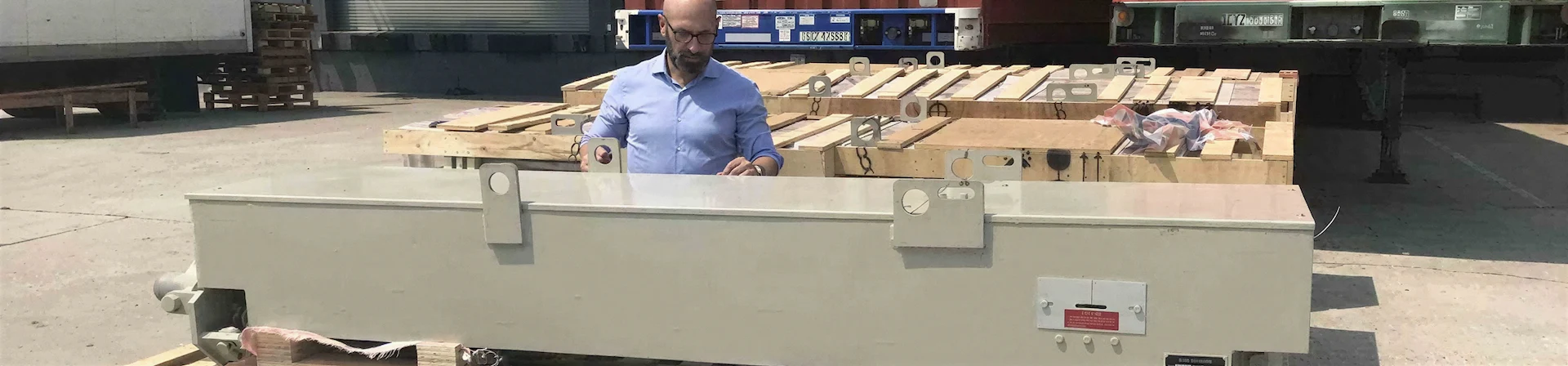
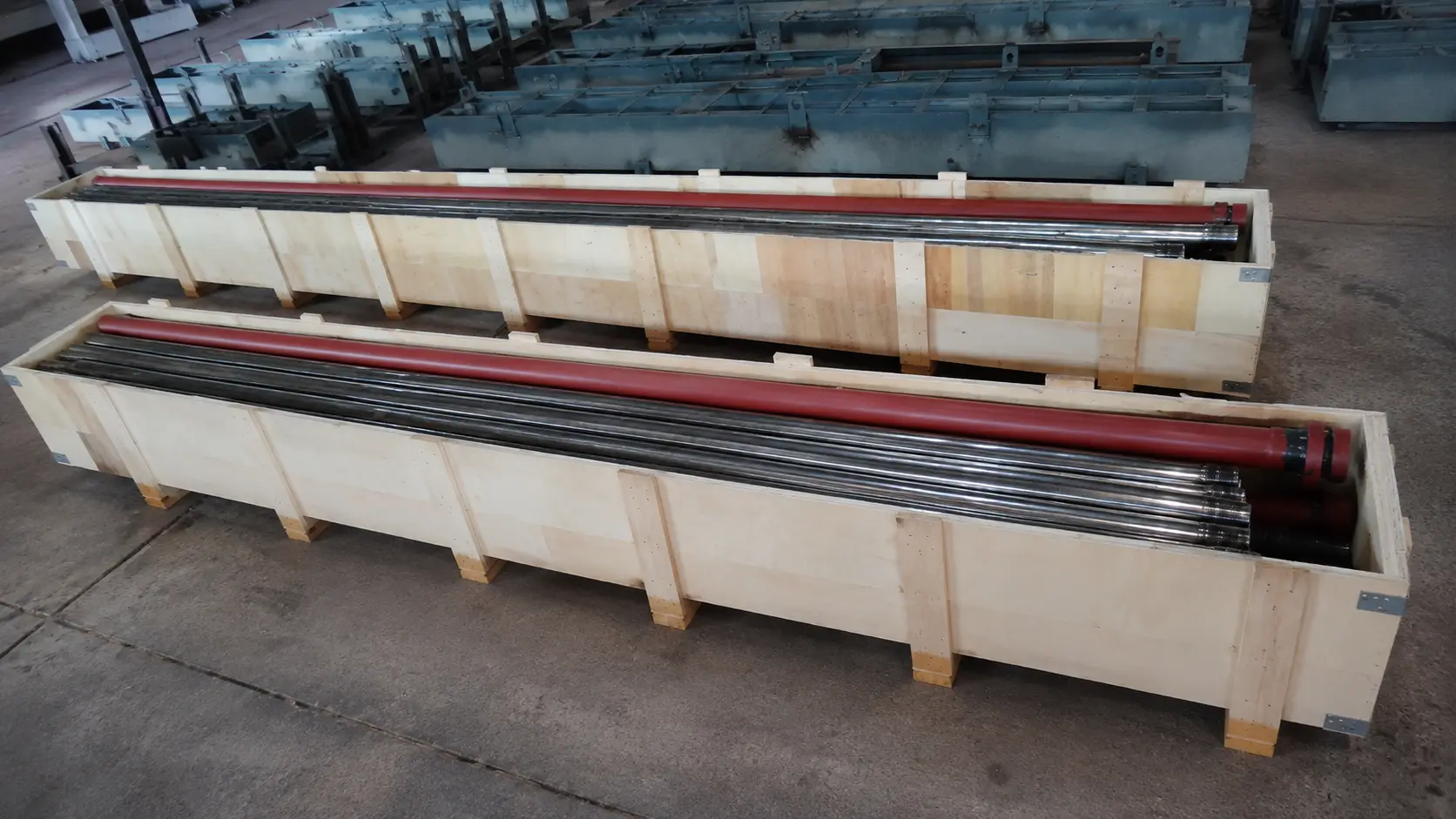
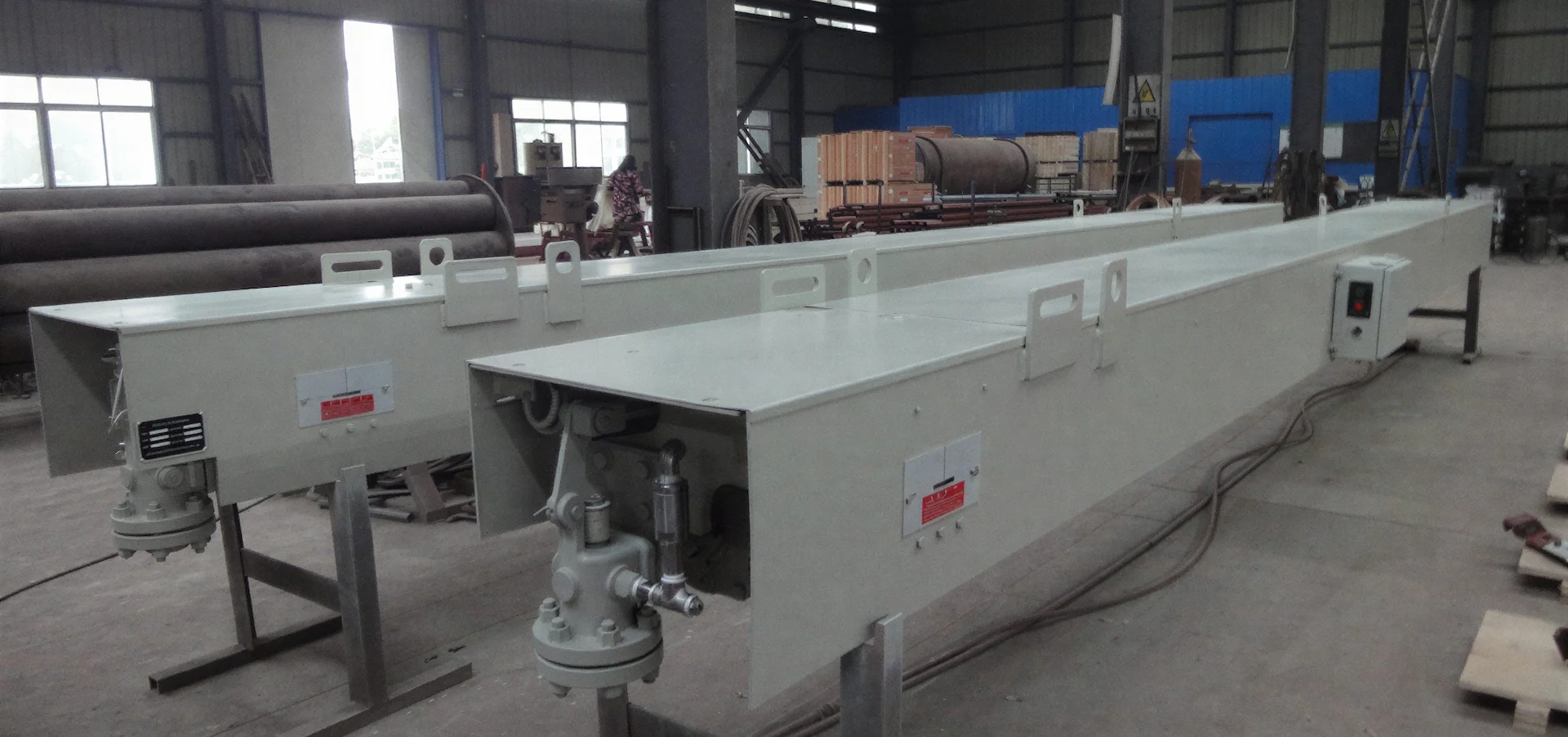
When sootblower performance begins to decline, the first assumption is often that the entire system is the problem. In many cases, the real issue comes down to worn or damaged sootblower parts that are no longer doing their job the way they should.
At Industrial Boilers America, we’ve seen how small component issues can turn into larger performance problems when they go unnoticed.
Understanding which parts matter most, how they wear, and when they need replacement helps you protect uptime, control maintenance costs, and keep your boiler system operating reliably.
The Most Critical Sootblower Parts and What They Do
A sootblower consists of several mechanical components that work together under demanding operating conditions. Some parts handle steam flow, some guide movement, and others support alignment, sealing, or actuation.
While designs vary by system and manufacturer, most sootblower assemblies include several core components:
- Lance tubes
- Nozzles
- Feed tubes
- Poppet valves
- Carriage assemblies
- Gearbox and drive components
- Wallbox assemblies
- Bearings and rollers
Each part plays a role in cleaning effectiveness, mechanical reliability, and long-term service life. When one component begins to wear, it can affect the rest of the assembly and create added stress on surrounding parts.
Why Lance Tubes Need Regular Inspection and Maintenance
The lance tube is one of the most important sootblower parts because it operates in a harsh environment and is directly involved in delivering cleaning media where it is needed.
Over time, lance tubes can experience erosion, distortion, cracking, or alignment problems. These issues may develop gradually, which makes routine inspection important.
Common signs that a lance tube needs closer attention include:
- Visible erosion or thinning
- Warping or distortion
- Cracks or surface damage
- Excessive vibration during operation
- Alignment issues
- Repeated cleaning performance problems
If lance tube wear is ignored, more costly future repairs or a complete system replacement may be necessary. Proactive replacement helps prevent unplanned downtime and protects the performance of the full sootblower assembly.
Nozzle Wear and Its Direct Impact on Boiler Performance
Nozzles have a major impact on cleaning performance by directing cleaning media with the right pattern, force, and coverage.
As nozzles wear, their geometry can change. Even slight erosion can affect the way steam exits the nozzle, reducing cleaning precision and creating uneven results.
When nozzles are worn or damaged, you may see:
- Uneven cleaning across boiler surfaces
- Reduced soot removal effectiveness
- Visible erosion around nozzle openings
- Blockage or partial restriction
- Performance changes without an obvious system failure
A worn nozzle can make the system work harder to achieve the same result as a fresh one. Ultimately, overextending a nozzle’s use can increase fouling, reduce heat-transfer efficiency, and create more frequent maintenance needs elsewhere in the boiler.
Supporting Components That Keep a Sootblower Running
Not every sootblower issue starts with the lance tube or nozzle. Many reliability problems begin with supporting components that control movement, provide sealing, deliver steam, and ensure alignment.
When these parts wear out, they can cause inconsistent operation or premature damage to higher-cost components.
Feed Tubes and Poppet Valves
Feed tubes help deliver steam or cleaning media into the sootblower assembly. Poppet valves control the flow so the system operates properly during each cleaning cycle.
When these components wear, you may see leakage, inconsistent pressure, delayed actuation, or reduced cleaning effectiveness. Valve issues can also make it harder to maintain predictable performance from one cleaning cycle to the next.
Carriage Assemblies, Bearings, and Rollers
The carriage assembly, bearings, and rollers help support movement and positioning.
These components need to operate smoothly because poor movement can lead to vibration, misalignment, and added stress on the lance tube.
If rollers or bearings are worn, the sootblower may not travel correctly. Over time, that can accelerate wear throughout the assembly and lead to avoidable downtime.
Wallboxes and Sealing Components
Wallboxes and sealing components help protect the boiler penetration area and support proper sootblower operation.
When seals deteriorate or wallbox components wear out, you may see steam leakage, heat exposure issues, or buildup in the area.
These components are easy to overlook, but they are essential to keeping the system stable and reliable.
How to Build a Proactive Sootblower Maintenance Strategy
Strong sootblower maintenance is about catching wear before it becomes a shutdown problem. A proactive inspection plan helps you extend service life, reduce emergency repairs, and make better replacement decisions.
During routine inspections, maintenance teams should consistently evaluate:
- Lance tube condition
- Nozzle wear and blockage
- Alignment and travel path
- Valve performance
- Roller and bearing condition
- Steam leakage
- Wallbox and seal condition
- Structural integrity around mounting points
Documentation matters here. When you track wear over time, you can identify recurring issues, plan parts replacement more accurately, and avoid waiting until failure forces the decision.
This approach also helps you separate normal wear from a deeper system issue. If the same component keeps failing early, the problem may involve alignment, operating conditions, installation, or another part of the assembly.
Protecting Boiler Reliability Starts With the Right Sootblower Parts
Sootblower performance depends on the condition of the components behind it. Each part plays a role in keeping the system reliable.
When you understand how these parts wear, what to inspect, and when replacement makes sense, you can make better maintenance decisions and protect boiler performance over the long term.
At Industrial Boilers America, we don’t just supply parts. We help you solve the underlying problem with practical guidance, reliable replacement components, and experience built around real-world operating conditions.
Talk to our team about your sootblower parts, inspection needs, or replacement requirements. We’ll help you find the right solution for your system and your operation.