
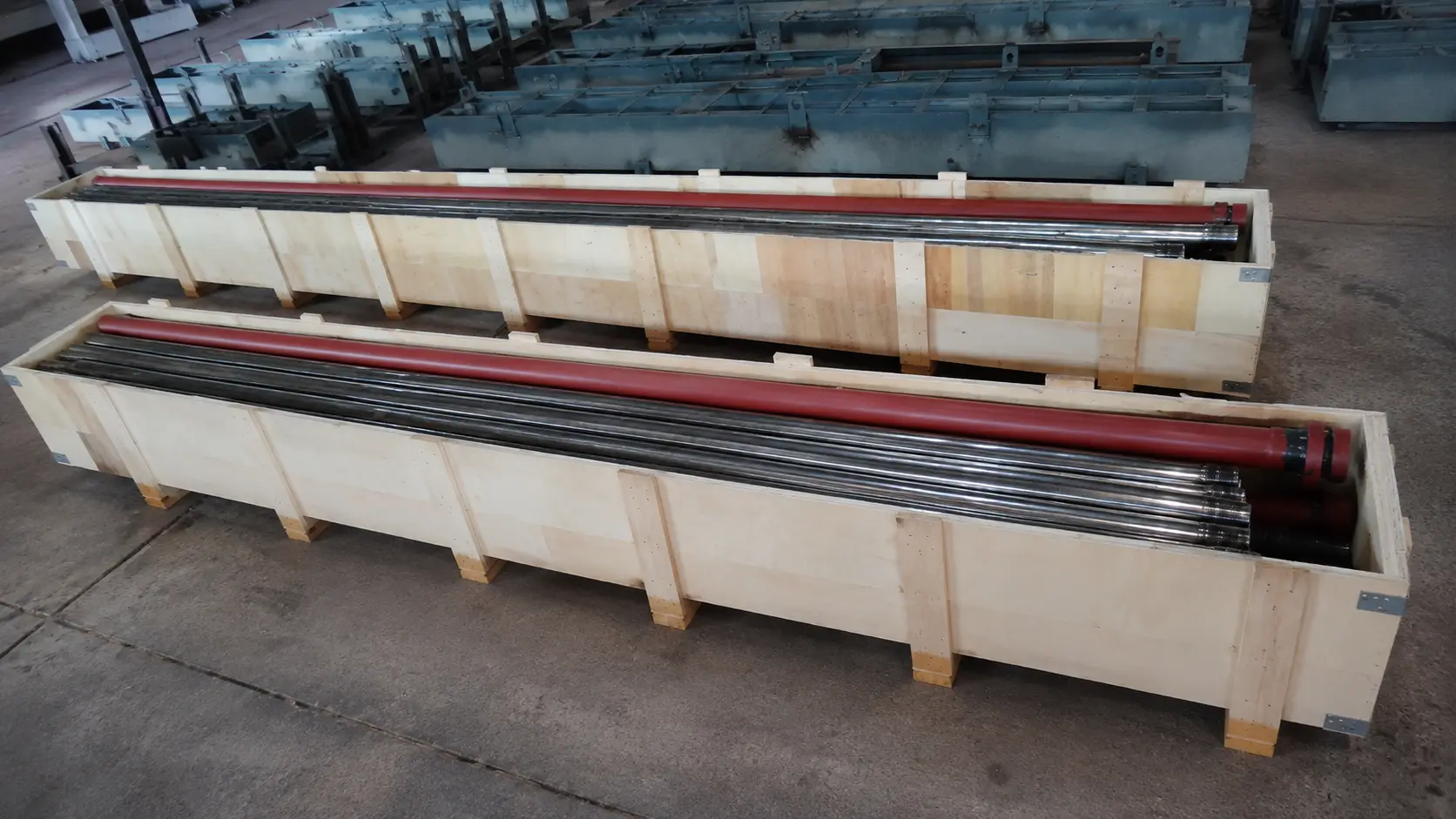
Sootblower Lance Tubes: Function, Design, and Replacement Guide
A sootblower lance tube is the rotating, retractable tube that delivers steam or compressed air into a boiler to remove soot and ash deposits from
Sootblowers operate in demanding conditions, and relatively small problems with lubrication, packing, alignment, controls, or operating conditions can eventually compromise reliability. Catching those problems early can mean the difference between a manageable maintenance task and a more extensive repair.
When a component fails, replacing it may restore operation, but it does not necessarily resolve the underlying problem. If you want to improve sootblower reliability over the long term, you need to understand what failed, why it failed, and what can prevent it from happening again.
Here’s how we recommend approaching common reliability problems and preventive maintenance.
Reliable maintenance starts with knowing what normal operation looks like. Changes in travel, leakage, movement, noise, lubrication condition, or operating sequence can provide early indications that something needs attention.
In our experience, a failed sootblower component is often only part of the story. Alignment, lubrication, steam conditions, controls, operating frequency, or another part of the assembly may explain why that component wore prematurely.
When sootblower reliability starts declining, ask:
Tracking those answers gives your maintenance team a better foundation for troubleshooting the specific issue.
The same symptom can have several possible causes. Before replacing the visibly damaged component, evaluate the conditions surrounding the failure.
If a sootblower stops during travel, binds, or fails to complete its extension or retraction cycle, start by determining exactly where movement is interrupted. Incomplete operation can also interfere with the intended sootblowing sequence.
Inspect for mechanical binding, inadequate lubrication, alignment problems, and drive or gearbox issues. Limit switches and controls should also be checked when there is no obvious mechanical cause.
Correct the condition interrupting travel, then verify that the sootblower completes its full operating cycle before returning it to normal service.
Excessive steam or blowing-medium leakage can affect reliability even when the sootblower continues operating. When leakage increases, inspect the packing condition and adjustment, feed tube, and sealing surfaces for wear or damage.
Packing adjustment should be one of the first maintenance steps, as neglected packing adjustment can lead to more extensive work involving the feed tube, lance, and gearbox.
If leakage returns after maintenance or packing needs frequent adjustment, document the pattern and investigate the underlying cause. Recurring leakage or abnormal wear may indicate a problem elsewhere in the sootblower assembly rather than isolated packing wear.
Binding and uneven wear often indicate that something is not moving through its intended path correctly. Check alignment, supports, lance movement, drive condition, and the location and pattern of visible wear.
Misalignment and sticking can contribute to sootblower-related damage, so replacing a worn component without correcting the mechanical condition may simply restart the failure cycle.
If wear keeps returning in the same location, treat the pattern as diagnostic information rather than normal component consumption.
Not every reliability problem originates in the mechanical assembly. Blowing conditions themselves can accelerate deterioration.
Verify blowing pressure and steam conditions when wear appears unusual or components fail earlier than expected. Structural Integrity Associates identifies excessive blowing pressure, wet steam, ineffective moisture traps, misalignment, and excessive operation as potential contributors to sootblower erosion.
Correcting the operating condition matters before installing another component. Otherwise, the replacement may be exposed to the same condition that shortened the previous component’s service life.
When the mechanical assembly doesn’t reveal an obvious problem, expand your troubleshooting to the controls. Incorrect limit-switch behavior, electrical issues, or unreliable control signals can prevent the sootblower from completing its expected sequence.
Verify switch operation, electrical condition, control signals, and sequence behavior. Aging control systems can also make recurring problems harder to diagnose accurately.
The goal is to confirm whether the sootblower is being mechanically prevented from operating or simply is not receiving or responding to the correct control sequence.
Preventive maintenance gives you a chance to detect deterioration before corrective work becomes necessary. Maintenance frequency should reflect equipment requirements, operating conditions, service history, and what previous inspections reveal rather than an arbitrary universal interval.
A practical sootblower maintenance routine should include checks such as:
Basic checks matter. EPRI’s maintenance guidance illustrates how overlooking lubrication or packing can escalate into more extensive component repairs instead of remaining relatively straightforward maintenance tasks.
It’s essential to document what your team finds during inspections. Dates, wear observations, measurements when appropriate, adjustments, operating symptoms, and replacement history can reveal deterioration patterns that individual work orders may miss.
Repeated failures are a reason to expand the troubleshooting scope. Recurring packing problems, binding, abnormal wear in the same location, drive problems, or unexpectedly short component life can indicate a condition beyond ordinary wear.
Evaluate alignment, lubrication practices, steam quality, blowing pressure, operating frequency, controls, installation conditions, and interacting components. Compare those findings against previous maintenance records rather than evaluating each failure in isolation.
Before replacing the same component again, look for patterns such as:
If the same repair keeps producing the same result, changing the failed part is no longer enough. That is when a broader technical evaluation can help identify what is driving the failure and what needs to change.
Improving sootblower reliability comes down to recognizing changes early, investigating the causes of failures, and using preventive maintenance to address deterioration before it escalates. Your maintenance records can turn individual repairs into useful information about how the equipment is performing over time.
When failures repeatedly return, resist the replace-and-repeat cycle. Finding the underlying issue can protect component life, reduce unnecessary maintenance, and improve long-term boiler reliability.
If your team is dealing with recurring sootblower problems, Industrial Boilers America can help you evaluate the failure, identify potential root causes, and determine the right repair or replacement strategy for your boiler system.
At Industrial Boilers America, we lead in providing the development, licensing, and deployment of Industrial Power plants. We partner with other leaders of communities and governments to foster long-term relationships that create sustainable energy, jobs, and social responsibility. Our philosophy that sustainability should be rooted in the betterment of the ecosystem rather than profit allows us to provide services that will enable our partners to reinvest in themselves, resulting in a sustainable community.
A sootblower lance tube is the rotating, retractable tube that delivers steam or compressed air into a boiler to remove soot and ash deposits from
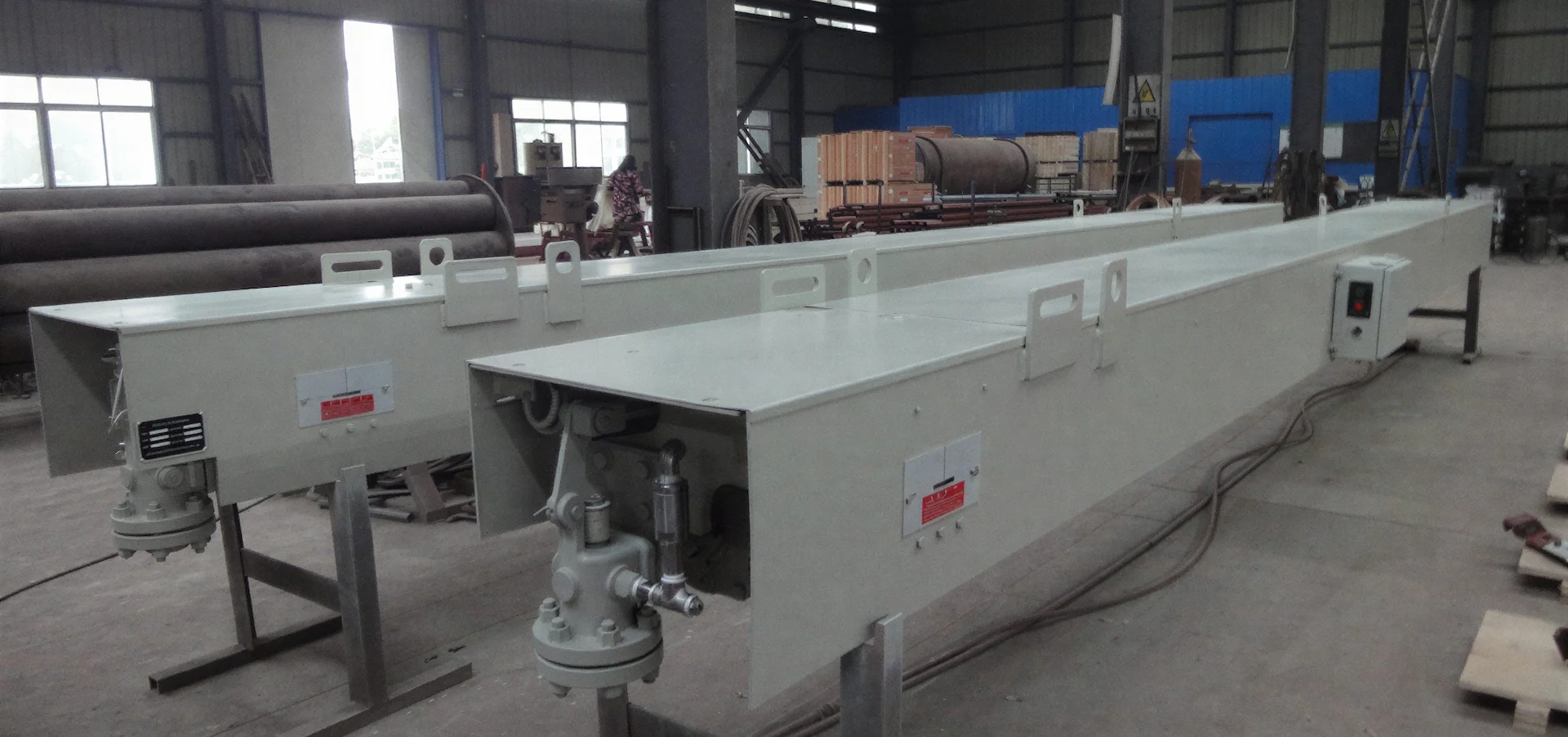
If you’re evaluating a retractable sootblower for your facility, you’re probably trying to answer a practical question: is it the right solution for your boiler?

When sootblower performance begins to decline, the first assumption is often that the entire system is the problem. In many cases, the real issue comes