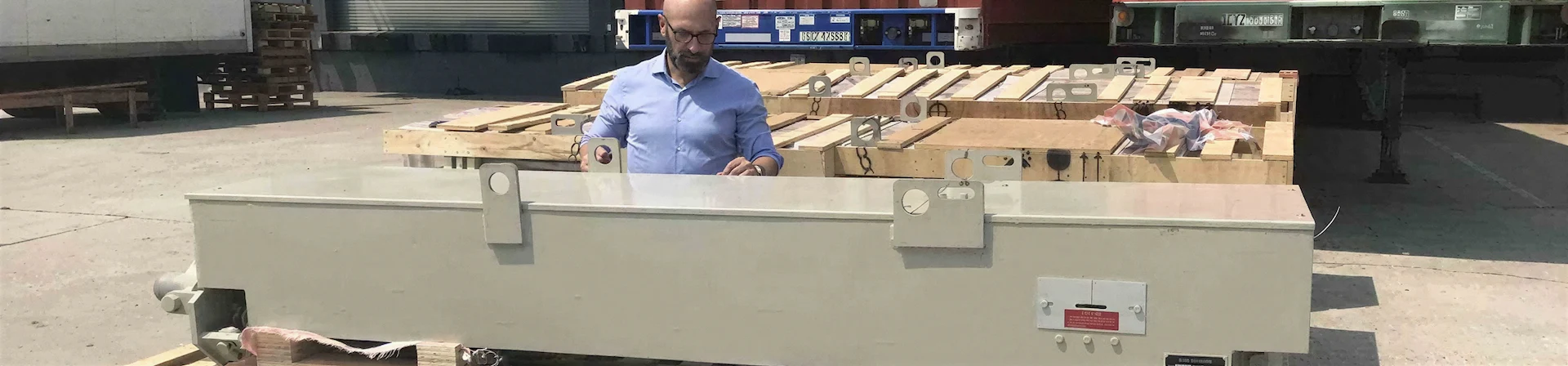
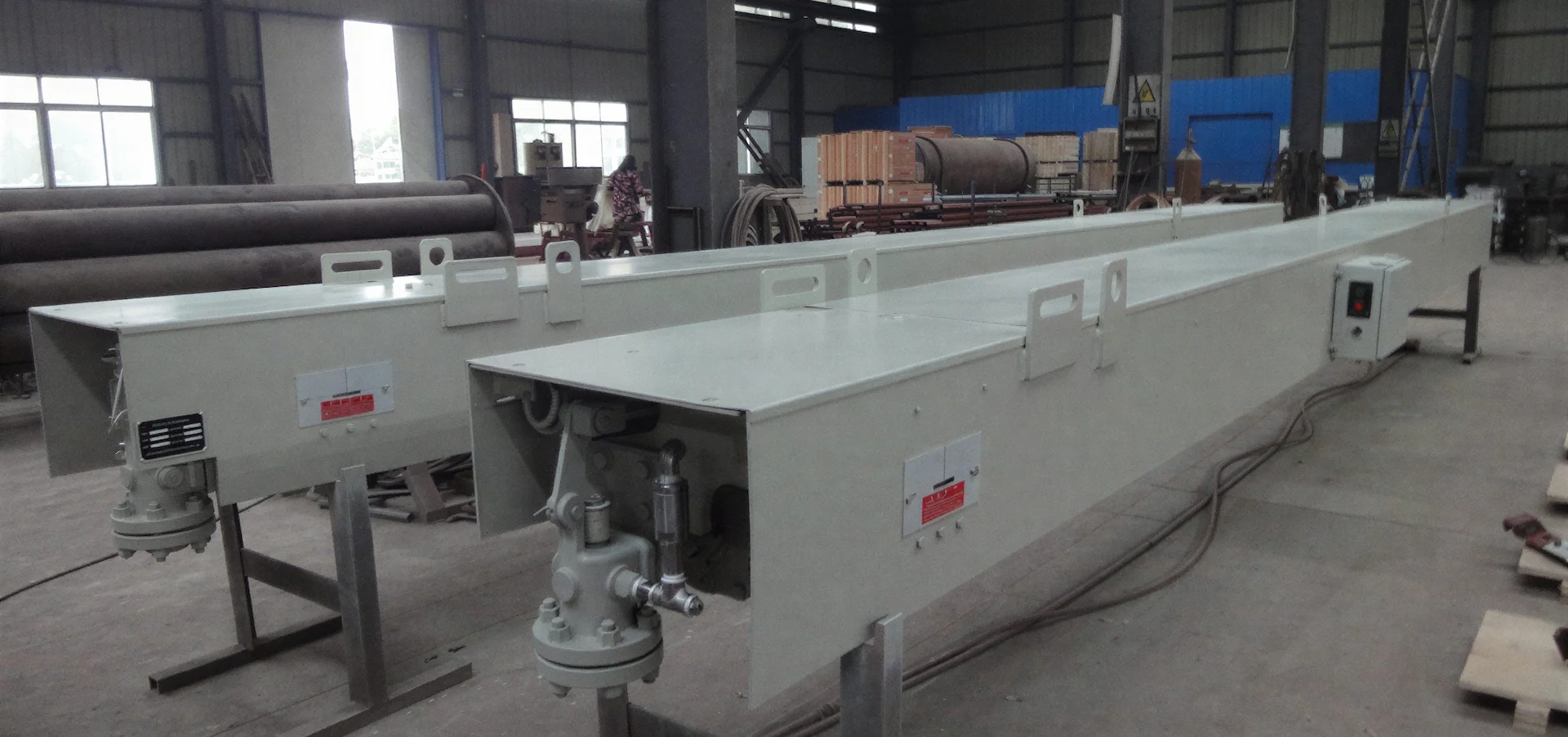
A sootblower lance tube is the rotating, retractable tube that delivers steam or compressed air into a boiler to remove soot and ash deposits from heat transfer surfaces.
As one of the primary components of a retractable sootblower, it supports the nozzle assembly and carries the cleaning medium to where it’s needed to maintain efficient boiler operation.
Although the lance tube may appear to be a simple piece of equipment, it operates under extreme temperatures, pressure, and continuous mechanical movement. Its condition directly affects cleaning performance, equipment reliability, and long-term maintenance costs.
Understanding how a sootblower lance tube works — and knowing what to look for during inspections — can help facilities make informed maintenance decisions that support reliable boiler performance.
What Does a Sootblower Lance Tube Do?
During a cleaning cycle, the sootblower lance tube extends into the boiler while rotating at a controlled speed. As it advances, steam or compressed air travels through the tube and exits via specially designed nozzles that remove accumulated deposits from boiler tubes and other heat-transfer surfaces.
The lance tube works alongside other sootblower parts, including the feed tube, carriage assembly, drive mechanism, and nozzle assembly, to complete each cleaning cycle. These components must operate together to ensure the cleaning medium reaches the proper locations while minimizing unnecessary wear on the equipment.
The controlled extension, rotation, and retraction of the lance tube are just as important as the cleaning medium itself. Proper movement helps provide consistent cleaning coverage while reducing prolonged exposure to the high temperatures inside the boiler.
During every cleaning cycle, the lance tube is responsible for several critical functions:
- Delivering steam or compressed air to the nozzle assembly
- Supporting the sootblower nozzles during operation
- Rotating to provide consistent cleaning coverage
- Retracting after operation to reduce heat exposure
- Working with the carriage assembly to maintain proper travel and positioning
Why Lance Tube Design Matters
Lance tubes operate in one of the harshest environments within a boiler system. High operating temperatures, thermal expansion, corrosion, erosion, and repeated cycling place significant stress on the component throughout its service life.
To withstand these demanding conditions, modern sootblower lance tubes are manufactured using durable materials and engineered to meet the requirements of specific boiler applications. Features such as forged flanges, corrosion-resistant alloys, and application-specific dimensions help improve durability while supporting consistent cleaning performance.
Proper support is equally important. Rollers, lance supports, and guide assemblies help maintain alignment throughout the cleaning cycle, reducing deflection and minimizing unnecessary mechanical wear.
Even a well-manufactured lance tube can experience premature wear if supporting components become worn or misaligned.
Common Lance Tube Wear and Maintenance Considerations
Like any component exposed to high heat and repeated operation, sootblower lance tubes require routine inspection. Over time, thermal fatigue and mechanical wear can affect both cleaning performance and equipment reliability.
A decline in cleaning effectiveness or recurring maintenance issues doesn’t always mean the lance tube needs immediate replacement. Instead, these symptoms often indicate it’s time for a thorough inspection of the entire sootblower assembly. Evaluating the condition of related components can help identify underlying issues before they lead to more significant failures.
Tracking inspection findings over time also helps maintenance teams recognize wear trends and schedule repairs before unplanned downtime occurs.
During routine inspections, we recommend evaluating:
- Visible wear, corrosion, or erosion along the lance tube
- Nozzle condition and performance
- Tube straightness and overall alignment
- Steam leakage or sealing issues
- Roller and support component condition
- Wall box seals and packing assemblies
- Carriage travel and overall operating consistency
A proactive inspection program can often extend component life while helping facilities maintain more consistent cleaning performance.
When Should You Replace a Sootblower Lance Tube?
There is no universal replacement interval for sootblower lance tubes. Service life depends on boiler operating conditions, cleaning frequency, fuel type, maintenance practices, and overall system condition.
Replacement generally becomes the most practical option when inspections reveal structural damage, excessive wall thinning, recurring leakage, significant alignment issues, or declining cleaning performance that cannot be corrected through maintenance alone.
Before replacing a lance tube, it’s important to evaluate the entire sootblower assembly. Worn rollers, damaged supports, carriage issues, or nozzle problems may contribute to premature lance tube wear. Addressing the complete system helps ensure the new component delivers its expected service life.
Before making a replacement decision, we recommend evaluating:
- Remaining structural integrity of the lance tube
- Overall condition of the sootblower assembly
- Alignment and support components
- Cleaning effectiveness throughout the boiler
- Maintenance and inspection history
- Potential downtime risks
- Long-term operating and maintenance costs
Taking a system-wide approach helps address the underlying causes of performance issues rather than replacing individual components unnecessarily.
Support Long-Term Boiler Reliability With Industrial Boilers America
The sootblower lance tube plays a critical role in maintaining boiler efficiency by delivering the cleaning medium precisely where it’s needed, even under demanding conditions.
Routine inspections, proactive maintenance, and careful evaluation of the entire sootblower assembly can improve cleaning performance and help extend equipment life. Rather than waiting for component failure, a planned maintenance strategy supports more reliable boiler operation over the long term.
If you’re evaluating sootblower replacement parts, troubleshooting cleaning performance, or planning an upcoming outage, Industrial Boilers America can help.
Get in touch with our team today or shop our replacement parts to find the right solution for your facility.